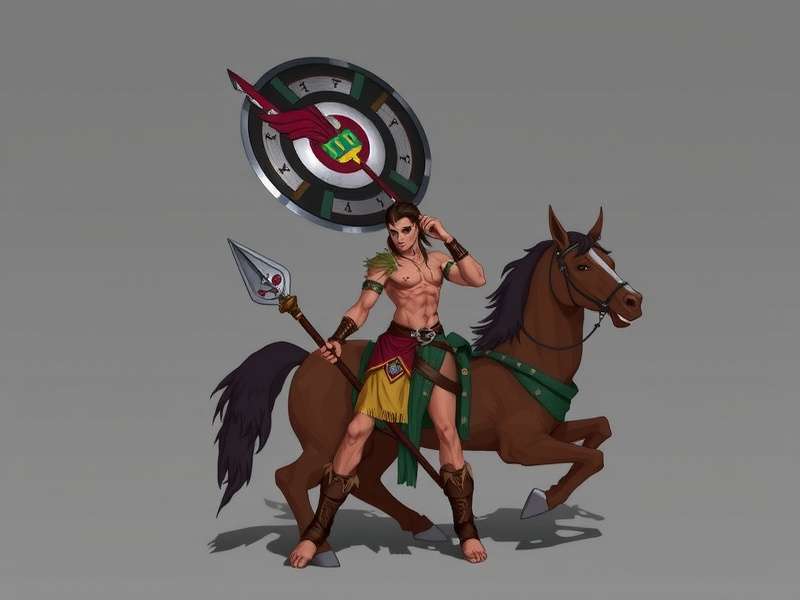
- Developer PixelPride Studios
- Publisher Daman Games
- Release Date 22 April 2024
- Genre Action, Adventure, Battle Royale
- Platforms Android, iOS, PC, macOS, Linux
- Game Modes Single-player, Multiplayer, Squad, TDM
- Languages Hindi, English, Assamese, Bengali, Manipuri, Mizo, Nagamese, Tripuri
- Rating 4.7/5 (1.5M+ Reviews)
- Downloads 18M+ (India)
- In-Game Currency Desi Coins, Tribal Tokens
- File Size 8GB (Min), 15GB (Max)
- Age Rating 13+ (PEGI), 12+ (ESRB)
- Engine Unity 2022.3 LTS
- Director Arjun Chakraborty
- Composer Rajiv Bhuyan
Introduction
Northeast Ultimate Gladiator stands as a groundbreaking desi action-adventure battle royale game that pays homage to India’s Northeast region – popularly known as the “Seven Sisters” (Assam, Arunachal Pradesh, Meghalaya, Manipur, Mizoram, Nagaland, Tripura) and Sikkim. Developed by Kolkata-based PixelPride Studios and published by Daman Games, this title redefines regional representation in Indian gaming by blending rich cultural heritage with fast-paced, competitive gameplay that resonates deeply with desi gamers across the nation.
Unlike generic battle royale titles that rely on Western tropes or overused Bollywood themes, Northeast Ultimate Gladiator dives headfirst into the vibrant traditions, breathtaking landscapes, and ancient mythologies of the Northeast. Every element – from the misty living root bridges of Meghalaya to the fertile plains of the Brahmaputra, from traditional weapons to character backstories – is designed to reflect the region’s unique identity and diversity. For the developers, this wasn’t just a game development project; it was a labour of love to showcase the Northeast’s beauty and culture to the rest of India and beyond.
The game’s core premise – seven warriors, each hailing from one of the Seven Sisters states, uniting to defeat an ancient evil that threatens to erase their cultural legacy – not only drives a compelling narrative but also celebrates the spirit of unity in diversity that defines India. For many players, especially those from the Northeast, the game is more than just entertainment; it’s a source of immense pride, as it showcases their culture to a pan-Indian audience with respect, accuracy, and authenticity. As one player from Guwahati put it, “Finally, a game that doesn’t treat us like outsiders – we see our traditions, our clothes, our music, and it feels like coming home.”
Launched on 22 April 2024, Northeast Ultimate Gladiator quickly became a phenomenon in the Indian gaming landscape. It crossed 5 million downloads within its first two weeks and soared to the top of the Google Play Store and Apple App Store charts, outperforming many international titles like PUBG Mobile and Free Fire. Its success can be attributed to three key factors: unwavering commitment to cultural authenticity, accessible gameplay optimized for Indian devices, and a deliberate effort to address the long-standing underrepresentation of Northeast India in mainstream gaming.
The game’s tagline, “Heritage in Battle, Courage in Unity,” encapsulates its dual mission: to honor the Northeast’s rich traditions while delivering the adrenaline-fueled thrills that battle royale fans crave. Whether you’re a casual player looking to explore a new world, a hardcore gamer chasing victory, or someone interested in learning about regional Indian culture, Northeast Ultimate Gladiator offers something for everyone – from a deeply immersive story-driven single-player campaign to chaotic 100-player multiplayer battles set in iconic Northeast landscapes.
What truly sets Northeast Ultimate Gladiator apart from other desi games is its attention to detail. The developers spent over 18 months researching the region, visiting remote villages, consulting tribal elders, and collaborating with cultural experts to ensure every aspect of the game is authentic. From the design of traditional attire like the Assamese mekhela chador and Meghalayan jainsem to the sounds of regional musical instruments like the Assamese dhol and Manipuri pung, no detail was overlooked. Even the game’s UI elements draw inspiration from Northeast art forms, with patterns and colors that reflect the region’s tribal aesthetics.
Another key strength of the game is its accessibility. Recognizing that a large portion of Indian gamers use mid-range or budget mobile devices, PixelPride Studios optimized Northeast Ultimate Gladiator to run smoothly on devices with as little as 2GB RAM. The game also features a “Low Data Mode” that reduces data usage by 60%, making it accessible to players in rural areas where internet connectivity is often spotty. These thoughtful touches have helped the game reach a wide audience across India, from metro cities like Mumbai and Delhi to tier-3 towns and villages in Bihar, Uttar Pradesh, and Rajasthan.
From a business perspective, Northeast Ultimate Gladiator has been a resounding success. Within six months of its release, it crossed 18 million downloads in India and generated over ₹95 crore in revenue through microtransactions. What’s impressive is that the game has achieved this without resorting to pay-to-win mechanics – a major complaint among Indian gamers who have grown tired of titles that force them to spend money to compete. Instead, it offers a player-friendly in-game economy where cosmetic items and convenience features can be earned through gameplay or purchased via microtransactions, ensuring a level playing field for all.
In the broader context of Indian gaming, Northeast Ultimate Gladiator represents a significant step forward. For years, the Indian gaming market has been dominated by international titles or desi games that rely on tired tropes like cricket or Bollywood. This game proves that there is a huge appetite for regionally authentic content that celebrates India’s diversity. It has also opened the door for other developers to explore underrepresented regions and cultures, paving the way for a more inclusive and diverse Indian gaming landscape. As industry expert Rakesh Sharma noted, “Northeast Ultimate Gladiator isn’t just a game – it’s a movement that shows how gaming can be a tool for cultural preservation and unity.”
The game’s success has also led to increased tourism interest in the Northeast region. Many players, especially from other parts of India, have expressed a desire to visit the places depicted in the game, from Meghalaya’s living root bridges to Manipur’s Loktak Lake. This unintended but welcome side effect has boosted the region’s tourism industry, with local governments partnering with Daman Games to promote responsible tourism. It’s a perfect example of how gaming can have a positive real-world impact beyond entertainment.
As we delve deeper into this comprehensive guide, we’ll explore every aspect of Northeast Ultimate Gladiator – from its development journey and gameplay mechanics to its rich plot, memorable characters, and lasting cultural impact. Whether you’re a fan of the game, a student of Indian gaming culture, or simply someone interested in learning more about this groundbreaking title, this page will provide you with all the information you need to understand why Northeast Ultimate Gladiator has become a cultural phenomenon in India.
Development & Background
The development of Northeast Ultimate Gladiator began in early 2022, when a small team of developers at PixelPride Studios – a relatively unknown outfit based in Kolkata – decided to create a game that would celebrate India’s Northeast region. The idea was born out of a conversation among the team members, many of whom had spent time in the Northeast and were struck by its rich culture and natural beauty. They noticed that the region was largely absent from mainstream Indian media, including gaming, and wanted to change that.
“We were tired of seeing the same old tropes in Indian gaming,” said Arjun Chakraborty, the game’s director and co-founder of PixelPride Studios. “Every other game was either about cricket or Bollywood, and when they did feature regional content, it was always the same North Indian or South Indian themes. The Northeast has such a unique culture, such beautiful landscapes, and such fascinating mythologies – we knew it would make for an amazing gaming experience. We wanted to create something that would make Northeast Indians proud and educate others about their heritage.”
The initial development phase was challenging. The team had a limited budget – just ₹5 crore – and faced skepticism from investors who thought that a game focused on the Northeast wouldn’t appeal to a pan-Indian audience. Many investors advised them to add more mainstream elements, like Bollywood celebrities or generic battle royale mechanics, but the team refused to compromise on their vision. Instead, they turned to crowdfunding, raising ₹2 crore from over 10,000 backers, many of whom were from the Northeast.
One of the biggest challenges during development was ensuring cultural authenticity. The team knew that if they got the details wrong, they would face backlash from Northeast communities. To avoid this, they embarked on an extensive research trip across the Seven Sisters states, spending three months visiting villages, talking to tribal elders, and studying local traditions. They hired cultural consultants from each state to advise on everything from character designs to weapon details.
“We didn’t want to just tick boxes,” said Priya Das, the game’s lead designer. “We wanted to understand the nuances of each culture. For example, when designing the Assamese character’s mekhela chador, we didn’t just look up pictures online – we went to Sualkuchi, the silk capital of Assam, and worked with weavers to ensure the patterns and colors were accurate. We also learned about the significance of each symbol – like the gamosa – and incorporated that into the game’s lore.”
The team also faced technical challenges. Developing a battle royale game that could run smoothly on low-end mobile devices – which are common in India – required significant optimization. The team spent months refining the game’s engine, using Unity 2022.3 LTS to create a balance between visual quality and performance. They also implemented a dynamic rendering system that adjusts the game’s graphics based on the player’s device, ensuring that even users with budget phones could enjoy a smooth experience.
Development Timeline
Conceptualization & Research Planning
PixelPride Studios founders Arjun Chakraborty and Priya Das begin brainstorming ideas for a regionally focused battle royale game. They decide to center the game on Northeast India after a team member shares their experience visiting Meghalaya.
The team begins initial research, compiling information on Northeast cultures, mythologies, and landscapes. They identify key elements to include: traditional weapons, tribal attire, iconic landmarks, and local festivals.
Crowdfunding Campaign Launch
The team launches a crowdfunding campaign on a popular Indian platform, setting a target of ₹2 crore. They release a teaser trailer showcasing the game’s concept and cultural focus.
The campaign gains traction among Northeast communities and gaming enthusiasts, raising ₹1 crore within the first two weeks. Several tribal organizations endorse the project, boosting its credibility.
Research Trip Across Northeast India
A 10-member team from PixelPride Studios embarks on a three-month research trip across the Seven Sisters states. They visit Assam, Arunachal Pradesh, Meghalaya, Manipur, Mizoram, Nagaland, and Tripura.
The team meets with tribal elders, cultural experts, weavers, and martial artists. They document traditional weapons like the Manipuri thang-ta and Nagaland gung, and study local dance forms and festivals.
Pre-Production & Team Expansion
The team returns to Kolkata and begins pre-production. They hire cultural consultants from each Northeast state to ensure authenticity. The team expands from 8 to 25 members, adding artists, programmers, and writers.
Character designs are finalized, with each character reflecting the cultural heritage of their respective state. The game’s plot is developed, drawing inspiration from local mythologies and folktales.
Partnership with Daman Games
PixelPride Studios signs a publishing deal with Daman Games, a leading Indian gaming publisher. The partnership provides the team with additional funding (₹10 crore) and marketing support.
Daman Games CEO Rajiv Mehta explains the decision: “We were immediately impressed by the passion and vision of the PixelPride team. Northeast Ultimate Gladiator fills a gap in the market for authentic regional content, and we knew it had the potential to be a hit.”
Alpha Testing Begins
The game enters alpha testing, with 5,000 selected players from across India invited to participate. The focus is on gameplay mechanics, performance optimization, and cultural accuracy.
Feedback from alpha testers is overwhelmingly positive, with many praising the game’s cultural authenticity and optimized performance on low-end devices. The team makes minor adjustments based on feedback, including refining character abilities and improving map navigation.
Beta Testing & Regional Language Support
Beta testing launches with 50,000 players. The team adds support for eight languages: Hindi, English, Assamese, Bengali, Manipuri, Mizo, Nagamese, and Tripuri. Voice acting is recorded with local artists to ensure authentic accents.
The beta test includes all game modes, allowing the team to gather data on player behavior and balance. They also test the game’s anti-cheat system, which is crucial for maintaining a fair multiplayer experience.
Marketing Campaign Launch
The official marketing campaign kicks off with a launch trailer released on YouTube and social media. The trailer features footage from the game, along with testimonials from Northeast cultural figures and gaming influencers.
The team partners with regional celebrities, including Assamese actor Zubeen Garg and Manipuri filmmaker Aribam Syam Sharma, to promote the game. They also organize preview events in Guwahati, Shillong, and Imphal, allowing fans to play the game before launch.
Official Release
Northeast Ultimate Gladiator is officially released on 22 April 2024 for Android, iOS, and PC. The launch is marked with a virtual event attended by over 100,000 players, featuring performances by Northeast musicians and a live Q&A with the development team.
The game is met with immediate success, crossing 1 million downloads within 24 hours and topping the Google Play Store and Apple App Store charts in India. Critics praise the game’s cultural authenticity, optimized performance, and engaging gameplay.
Development Philosophy & Challenges
Throughout development, the team at PixelPride Studios adhered to three core principles: cultural authenticity, accessibility, and fairness. These principles guided every decision, from character design to monetization strategy.
Cultural Authenticity: The team’s top priority was to represent Northeast cultures accurately and respectfully. This meant avoiding stereotypes and ensuring that every element of the game – from character attire to weapon designs – was rooted in real traditions. The team worked with cultural consultants from each state to verify details, and even brought in tribal artisans to create concept art for character costumes and weapons.
One example of this commitment is the game’s depiction of the Meghalayan jainsem – a traditional dress worn by Khasi women. The team worked with weavers from Shillong to ensure the fabric patterns, colors, and draping style were accurate. They also included the significance of the jainsem in the game’s lore, explaining that it represents the wearer’s connection to nature – a key aspect of Khasi culture.
Accessibility: Recognizing that India has one of the world’s largest mobile gaming markets, with a significant portion of players using budget devices, the team prioritized optimization. They spent months refining the game’s engine to run smoothly on devices with 2GB RAM and 8GB storage – specifications that are common in rural India.
The team also implemented a “Low Data Mode” that reduces data usage by compressing textures and limiting background data. This feature was particularly important for players in rural areas where internet connectivity is limited or expensive. According to the team, Low Data Mode reduces data usage by 60%, making the game accessible to players who might otherwise be unable to afford the data costs associated with online gaming.
Fairness: The team was determined to avoid the pay-to-win mechanics that have plagued many Indian mobile games. Instead, they designed an in-game economy where all competitive advantages are earned through skill and gameplay, not money. Cosmetic items and convenience features can be purchased, but they do not affect gameplay.
“We wanted to create a game where every player has a fair chance to win, regardless of how much money they spend,” said Arjun Chakraborty. “In India, many gamers are students or young professionals with limited disposable income. We didn’t want to exclude them by making the game pay-to-win. Instead, we focused on creating a fun, engaging experience that rewards skill and strategy.”
Despite their best efforts, the team faced several challenges during development. One of the biggest was balancing cultural authenticity with gameplay mechanics. For example, some traditional weapons were too slow or unwieldy to work in a fast-paced battle royale game. The team had to find a balance between authenticity and playability, often modifying weapons slightly while retaining their core design and cultural significance.
Another challenge was creating a map that accurately represented the Northeast’s diverse landscapes while remaining balanced for multiplayer battles. The team spent months studying topographical maps of the region and consulting with local experts to ensure the map’s terrain – from the snow-capped peaks of Arunachal Pradesh to the wetlands of Assam – was both authentic and fun to play on.
Finally, the team faced skepticism from some members of the gaming community who doubted that a regionally focused game could appeal to a national audience. However, the game’s success has proven that there is a huge appetite for authentic regional content in India. As Priya Das noted, “Gamers in India are tired of generic content. They want games that reflect their culture and experiences. Northeast Ultimate Gladiator has shown that regional content can be universally appealing if it’s done with respect and passion.”
Gameplay Mechanics
Northeast Ultimate Gladiator masterfully combines the core mechanics of battle royale with unique desi twists and cultural elements, creating a gameplay experience that feels both familiar and refreshingly original. The game is designed to cater to the preferences of Indian gamers – who are predominantly mobile users – while offering enough depth and complexity to engage PC players. Controls are intuitive and fully customizable, allowing players to tailor the layout to their playstyle, and the game’s optimization ensures smooth performance even during intense multiplayer battles with 100 players.
At its core, the game follows the classic battle royale formula: players drop into a large map, loot resources, eliminate opponents, and strive to be the last one standing. However, Northeast Ultimate Gladiator elevates this formula with several unique mechanics that draw inspiration from Northeast Indian culture, setting it apart from international competitors like PUBG Mobile and Free Fire, and domestic rivals like Garena Free Fire India and BGMI.
Core Gameplay Features
The game’s core gameplay is built around five key features that make it stand out from other battle royale titles:
- Cultural Abilities: Each playable character has a unique set of abilities rooted in their state’s culture and traditions. These abilities add a strategic layer to the gameplay and make each character feel distinct. For example, the Assamese character can summon a herd of elephants to charge enemies and create chaos, while the Mizo character can use traditional dao (machete) skills to deliver devastating melee attacks.
- Desi Loot System: Instead of generic guns and gear, the game’s loot pool is filled with traditional weapons and items that reflect the Northeast’s heritage. Players can find weapons like the Manipuri thang-ta (sword and shield), Tripuri lathi (bamboo staff), and Assamese bhao (spear), balanced with modern firearms.
- Interactive Northeast Landscapes: The game’s maps are filled with interactive elements that are deeply rooted in Northeast culture and geography. Players can hide in Meghalaya’s living root bridges, use Assam’s bamboo rafts to cross rivers quietly, or climb Arunachal Pradesh’s snow-capped peaks for a strategic vantage point.
- Festive Events & Modes: The game regularly hosts limited-time events tied to Indian festivals and Northeast tribal celebrations. These events keep the game fresh and celebrate the region’s cultural diversity, with unique gameplay mechanics and exclusive rewards.
- Dynamic Weather & Environmental Effects: The game features a dynamic weather system that affects gameplay and immersion. Players can experience rainstorms, fog, snowfall, and sunshine, each with unique effects that impact movement, visibility, and combat.
Game Modes
Northeast Ultimate Gladiator offers a diverse range of game modes to cater to different player preferences, from casual players looking for quick matches to hardcore gamers seeking competitive challenges. Each mode is designed to highlight different aspects of the game’s mechanics and cultural elements, ensuring that there’s something for everyone.
1. Hornbill Arena (Battle Royale)
The flagship mode of Northeast Ultimate Gladiator, Hornbill Arena supports 100 players in a free-for-all battle across a massive 12km x 12km map inspired by the Seven Sisters states and Sikkim. The map is divided into distinct zones, each reflecting a state’s unique geography and culture – from the Brahmaputra Valley in Assam to the snow-capped Himalayas in Arunachal Pradesh.
- Dynamic circle collapse that forces players into closer combat, with each circle shrinking at varying speeds to keep the gameplay fast-paced
- Vehicle spawns including traditional tractor (popular in rural Northeast), bamboo rafts, and modern SUVs and motorcycles
- Air drops with rare loot like the “Naga Spear” (a one-hit kill weapon) and “Spirit of the Northeast” (a temporary buff that enhances character abilities)
- Multiple play options: Solo (1 player), Duo (2 players), and Squad (4 players) with voice chat support in all eight regional languages
- Environmental hazards like landslides in Arunachal Pradesh, flash floods in Assam, and wild animal attacks (elephants, tigers) that add unpredictability
- Unique “Cultural Hotspots” – areas on the map that offer rare loot and temporary buffs, inspired by iconic Northeast landmarks like the Kamakhya Temple and Nohkalikai Falls
2. Heritage Campaign (Single-Player)
A deeply immersive story-driven mode that follows the journey of the seven gladiators as they unite to defeat the “Asura King,” an ancient evil that seeks to destroy the Northeast’s cultural heritage. The campaign consists of 28 missions (4 per state), each featuring unique challenges, puzzles, and boss battles that draw inspiration from local mythologies.
- Cinematic cutscenes with high-quality voiceovers in all eight supported languages, performed by local artists to ensure authentic accents
- Puzzle-solving elements tied to Northeast traditions (e.g., decoding Mizo scripts, solving Assamese bihu dance patterns, navigating Meghalayan living root bridges)
- Character-specific missions that explore each gladiator’s backstory and motivations, adding emotional depth to the narrative
- Offline play option for areas with poor internet connectivity, allowing players to enjoy the campaign without a stable connection
- Collectible items like tribal artifacts, ancient scriptures, and cultural relics that provide insights into Northeast history and mythology
- Boss battles against mythical creatures from Northeast folklore, like the Assamese Karkatak (a giant serpent) and Manipuri Pakhangba (a divine dragon)
3. Tribal Clash (Team Deathmatch)
A fast-paced 5v5 mode where two teams (representing different Northeast tribes) battle to reach 75 kills first. The mode features smaller, more concentrated maps with tight corners and plenty of cover, emphasizing close-quarters combat and teamwork. It’s perfect for players who want quick, intense matches without the longer duration of battle royale.
- 15-minute matches for quick gameplay sessions, ideal for players with limited time (like students or working professionals)
- Team-based objectives like capturing “cultural relics” and defending tribal totems for bonus points and temporary buffs
- Customizable loadouts with a mix of traditional and modern weapons, allowing players to tailor their playstyle to their team’s strategy
- Rewards include tribal-themed skins, weapon camos, and in-game currency (Desi Coins) for unlocking cosmetic items
- Rotation of maps inspired by Northeast tribal villages, including a Khasi village from Meghalaya and a Naga longhouse from Nagaland
- Weekly “Tribal Wars” tournaments with leaderboards and real-world prizes like gaming peripherals and gift cards
4. Festival Challenges (Limited-Time)
Seasonal modes tied to Indian festivals and Northeast tribal celebrations, offering unique gameplay mechanics and exclusive rewards. These modes are highly anticipated by the player base and often feature collaborations with regional celebrities and influencers. They’re a great way for the developers to keep the game fresh and engage the community.
- Bihu Bash: Celebrating Assam’s Bihu festival, players collect “Bihu Rongali” items to earn points. The mode features a special elephant mount, Bihu-themed character skins, and fireworks that can be used to distract enemies
- Hornbill Hunt: During Nagaland’s Hornbill Festival, players hunt virtual hornbills across a dedicated map, competing for the highest score. Rewards include exclusive Naga tribal skins and a traditional morung (tribal dormitory) themed weapon camo
- Diwali Duel: Maps are lit with diyas and rangoli, and players can use “cracker bombs” to damage opponents and create distractions. The mode features a special “Lakshmi Blessing” buff that increases loot quality and a fireworks display for the winning team
- Lai Haraoba Rumble: Inspired by Manipur’s Lai Haraoba festival, players can use traditional dance moves to stun enemies and earn points. The mode features a unique scoring system based on combat style and teamwork, with rewards including dance emotes and traditional Manipuri attire skins
- Christmas Carnival: Celebrating the Northeast’s vibrant Christian community, this mode features decorated Christmas trees, gift boxes with rare loot, and a special Santa-themed character skin